Skip to content

Tor

What Tor VPN Beta's first year looks like across seven Asia-Pacific regions

This post builds on the Tor Project announcement below. We also publish full translations of it:

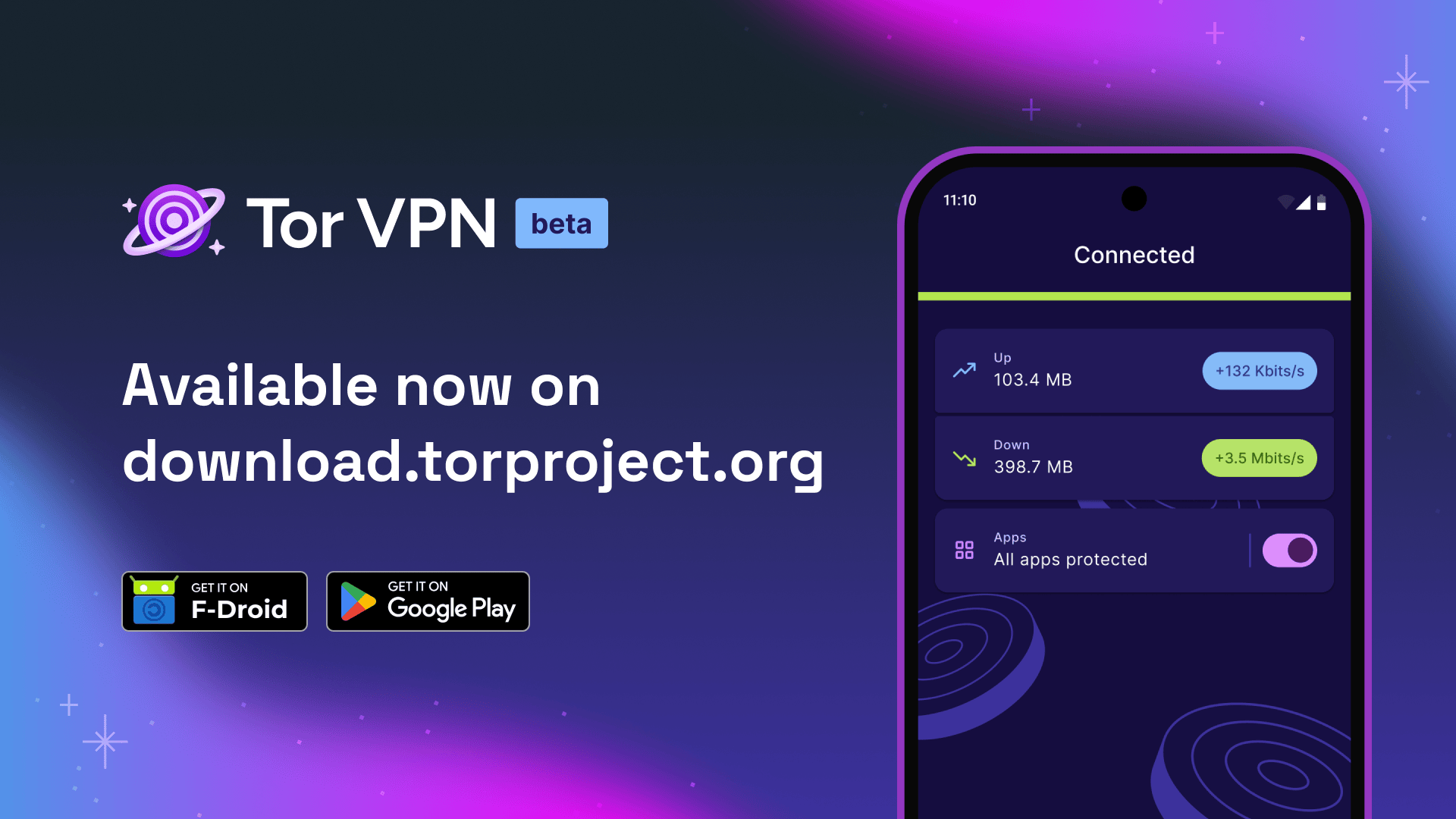
Tor VPN beta promotional image showing availability on download.torproject.org with F-Droid and Google Play badges, and a phone displaying the connected screen with upload and download counters

The Tor Project's retrospective on the first year of Tor VPN Beta contains one finding that reframes the whole product. The team expected to learn from real-world use, and what they learned was that the primary use case is unblocking the internet — not the privacy features a commercial VPN would lead with. Early adoption concentrated in heavily censored regions, and that shaped what got built next.

That finding is the interesting part for us, a community based in Taiwan, because the regions we cover sit at very different points on that spectrum. This post checks the announcement against measurement data for seven Asia-Pacific regions, and sets out what the regulatory picture looks like in each.

Snowflake gets a dedicated app, and the volunteer pool grew 29% in a month

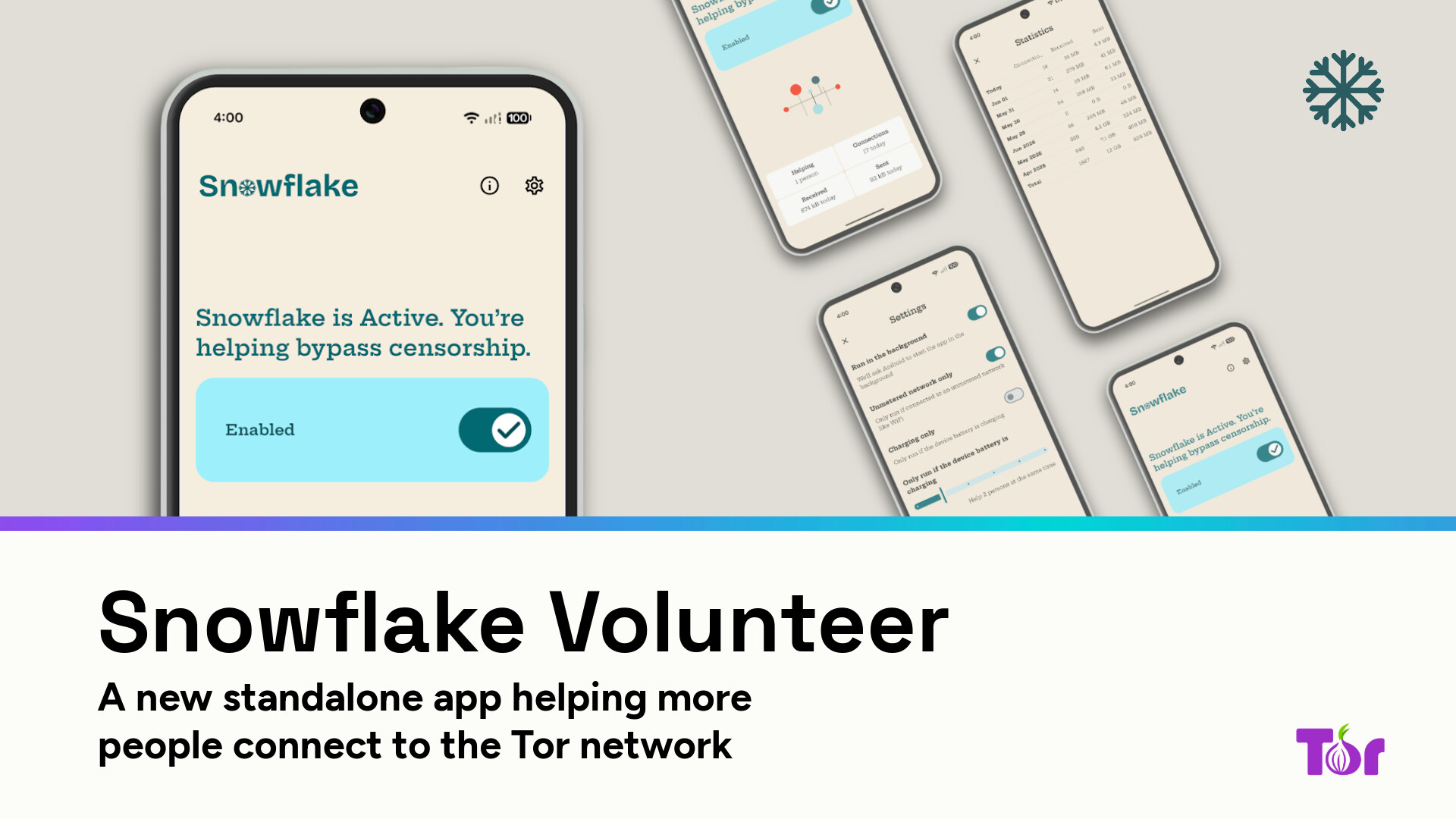
Snowflake Volunteer promotional graphic showing several phone mockups of the app's enable toggle, settings screen, and statistics screen
Image source: Tor Project Blog.

We've written before that Snowflake is the lowest-barrier way to help people reach Tor: open a browser tab, leave it running, and you're relaying anonymous traffic. On 3 August, Tor Project lowered that barrier again with Snowflake Volunteer, a standalone Android app whose only job is being a Snowflake bridge.

Defending the Public's Right to Know: A Sinophone Asia-Pacific Reading of OONI in Practice

This post sits alongside Tor Project's spotlight series article on OONI. The body below summarises what the original covers and then maps the same workflow onto Sinophone Asia-Pacific — the section the original does not cover, and the main contribution of this post.

For the full narrative on Kenya's High Court case, Tanzania's follow-up litigation, Meduza's public-education framing, and the supporting cases from Egypt, Jordan, and India, please read the original:

Visual header for the Tor Project 'Defending the free internet' spotlight series, featuring OONI
Image source: Tor Project Blog.

What the Tor VPN security audit means for Taiwan's privacy community

This post is based on the Tor Project announcement:

TorVPN Cure53 Audit

In June 2025, Cure53 completed a penetration test and source code review of TorVPN for Android and its underlying Rust networking layer, Onionmasq. The Tor Project published the results in April 2026. The headline finding: Tor's core tunnel establishment and routing logic held up well. But there are specific technical issues worth understanding if you're recommending or deploying this tool in Taiwan's context.