Sending Us Sensitive Material
When you need to send personal data, leaked material, or sensitive collaboration files to a community member, and you want the transfer to stay out of reach of anyone who does not need to see it, the steps below give you a link that expires on its own and leaves nothing behind.
Upload steps
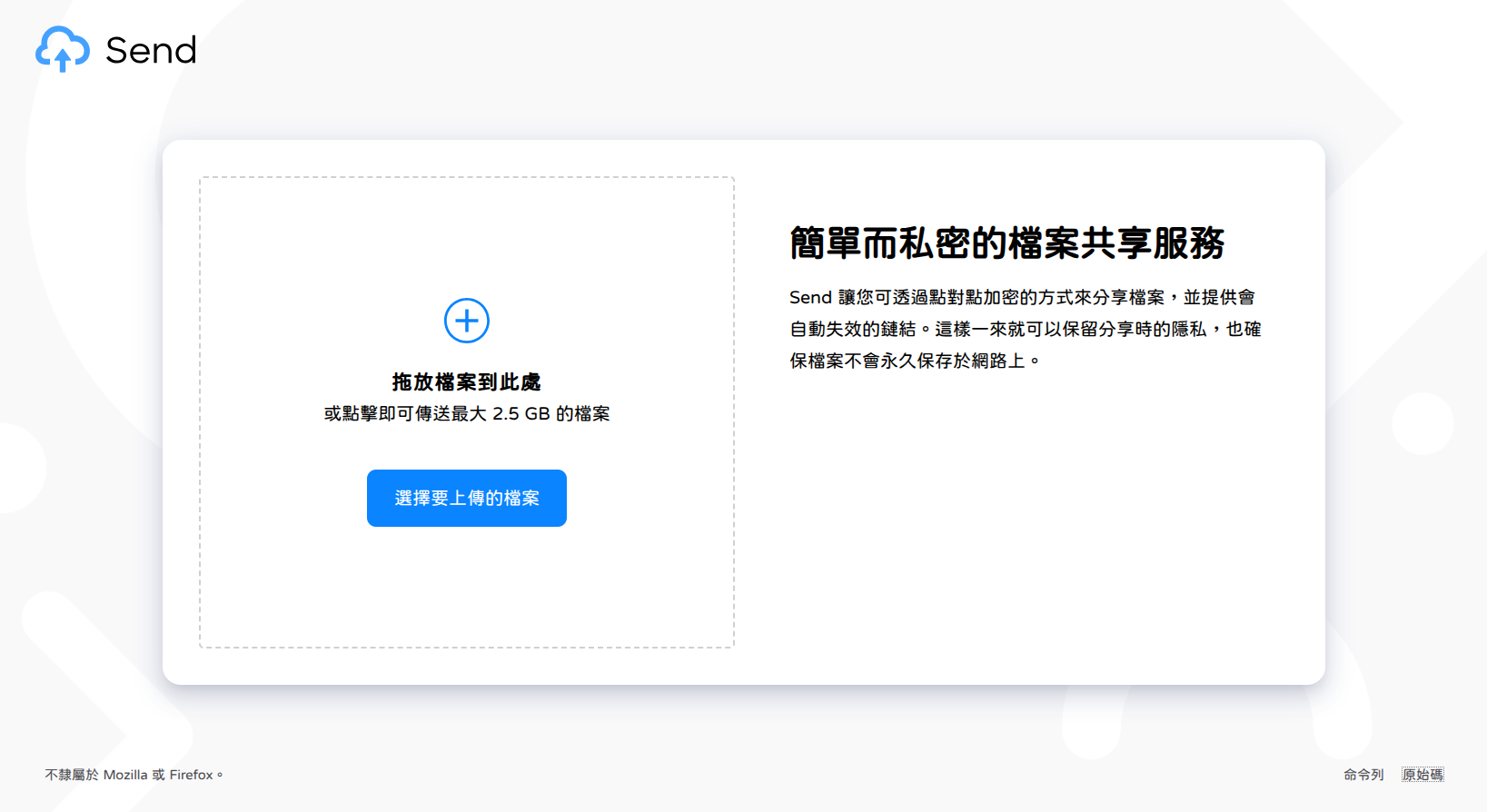
- Go to Send, one of the services the community self-hosts.
- Select the file you want to upload.
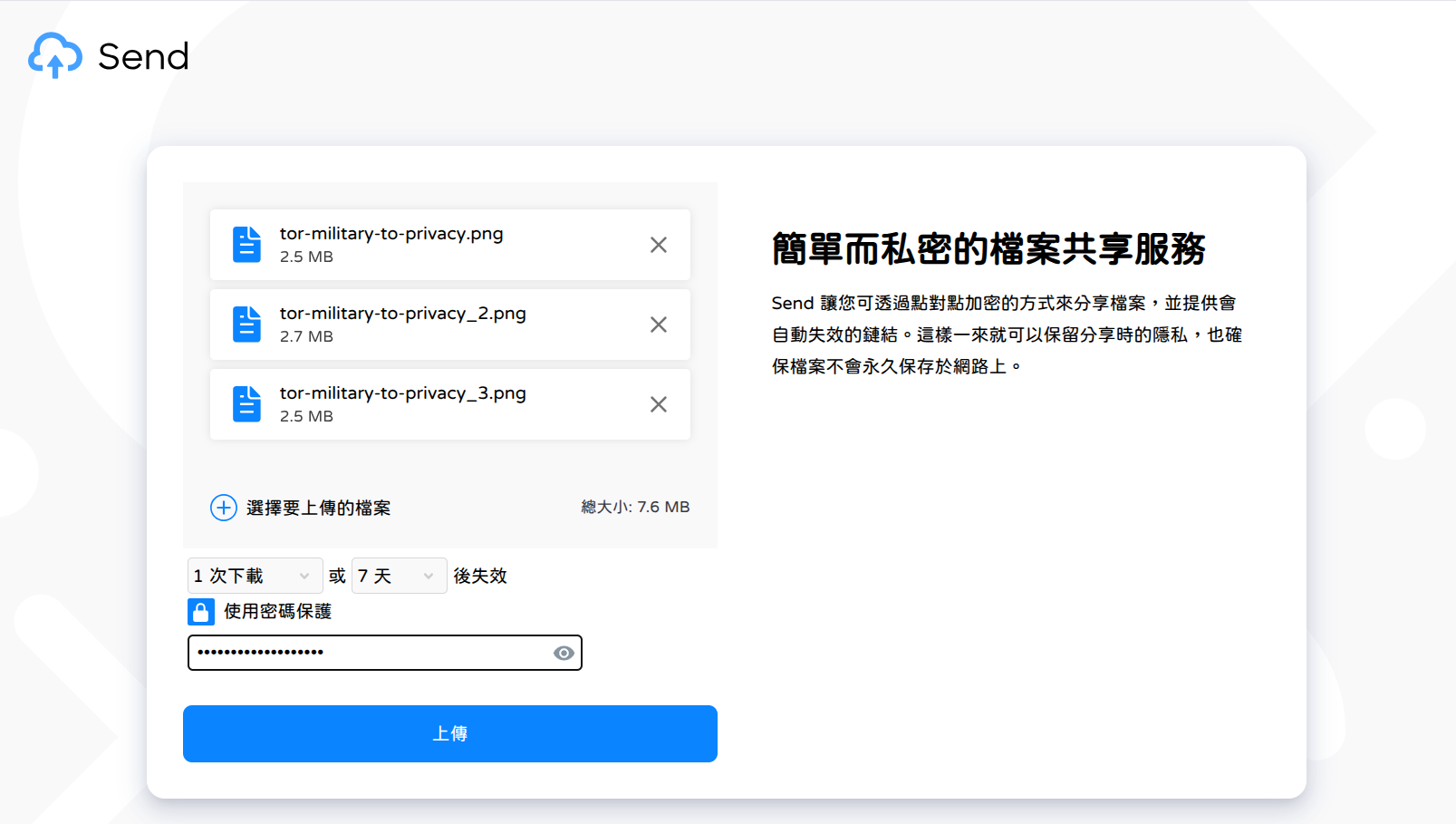
- Set the expiry options: one download, expiring after 7 days.
- Tick Protect with password and enter a password you have agreed on separately with the recipient.
- Confirm the settings and click Upload.
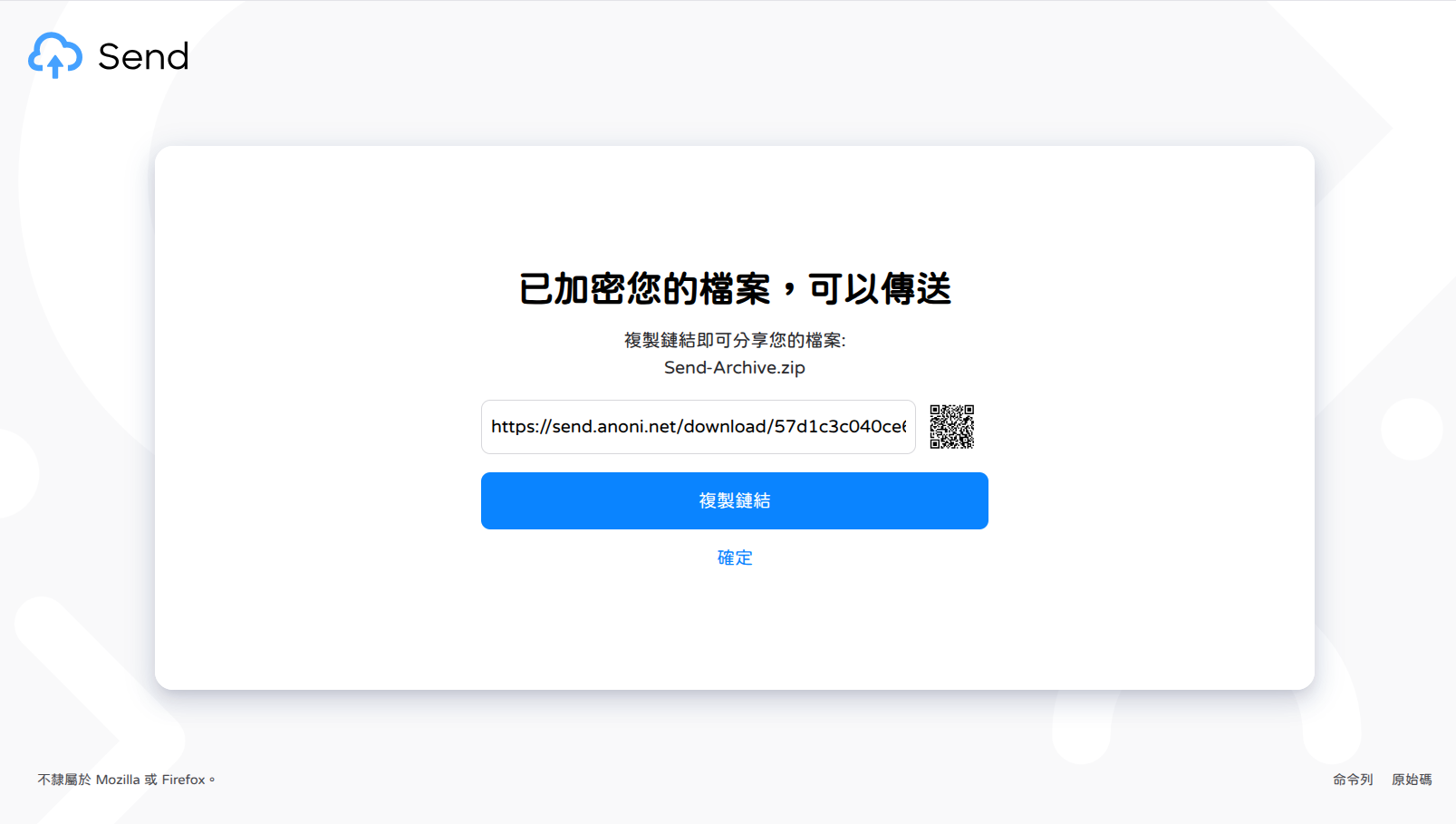
The upload produces a share link. Copy it and send it to the recipient to complete the transfer.
The password matters more than it looks. A Send link on its own is a bearer token: anyone who obtains it can download the file. Agree on the password through a different channel from the one carrying the link, so that compromising one channel is not enough.
Send is a lightweight self-hosted file sharing application. It shares files under end-to-end encryption and hands out links that expire on their own. That design keeps the transfer private and stops the file from living permanently on the web or inside a mail service.
Walkthrough
Go to Send.
Select the file, set the expiry parameters, and submit.
Copy the link and send it to the recipient.
When Send is not the right tool
Send runs on infrastructure the community operates, which means you are trusting us with the fact that a transfer happened, even though the file contents are encrypted in your browser before upload. For most collaboration material that trade-off is fine. Two cases where it is not:
- Anonymity from the recipient or from us: use OnionShare over Tor instead. It serves the file directly from your own machine through an onion service, so no third party holds the file at any point.
- Risk if the transfer itself were discovered: raise it in Matrix first without the details, so we can agree on a channel before anything moves. Contact routes are on the Community services page.
Related
- Community services covers the rest of our self-hosted infrastructure, including how to request a Matrix or CryptPad account.
- Governance charter sets out how the community handles disclosure and disputes.