In February 2026, anarcat from the Tor system administration team (TPA) published a post titled \"Keeping track of decisions using the ADR model\".
After reading it, we felt it offered a very practical way to think about proposals, decision-making, and how to write things down so that people can actually find and understand them later.
This post is not a translation of the original article. Instead, it is our own summary and reflection on:
what problem TPA was trying to solve with ADRs,
what they actually changed in their process,
how other projects handle proposals and decisions, and
how this connects to the context we are familiar with.
On 2026/02/09, Discord announced a global “teen-by-default” rollout and stronger age verification (English coverage: BBC, Medianama). New and existing users will default to a teen-oriented experience; to relax content filters or access age-gated spaces, users must complete verification via facial age estimation or by submitting ID. Discord frames this as a commitment to teen safety and Safer Internet Day, and will use an “age inference model” in the background to help assign age groups.
We are not dismissing Discord’s intent—youth protection and compliance are serious. But such measures also mean one thing: large platforms will need more personal data and behavioral signals to “classify” users. Whether via face scans, ID documents, or algorithmic inference, the result is handing over “who you are, how old you are, where you are” to the platform and its partners. For many people who just want to chat, game, or collaborate, that may be an acceptable trade-off; for others, it raises the question: is there another way?
Commercial chat platforms have their own rules: terms of service, product direction, what data is retained, how algorithms and policies work—mostly driven by the company and shareholders, with little say for ordinary users and little visibility into how their data is used. This isn’t about “who is worse”; it’s about who gets to decide.
The anoni.net community has chosen a different path: self-hosting a Matrix homeserver. We run tuwunel, a high-performance Matrix homeserver implemented in Rust, on im.anoni.net for community discussion and 2026 theme collaboration. Server configuration, retention policy, and channel rules are decided by operators and the community together—smaller scope, more predictable, and more transparent. Our focus is clear: internet freedom, anonymous networks, and privacy in practice, not “anyone can join and talk about anything.” This is a themed, consensus-oriented workspace.
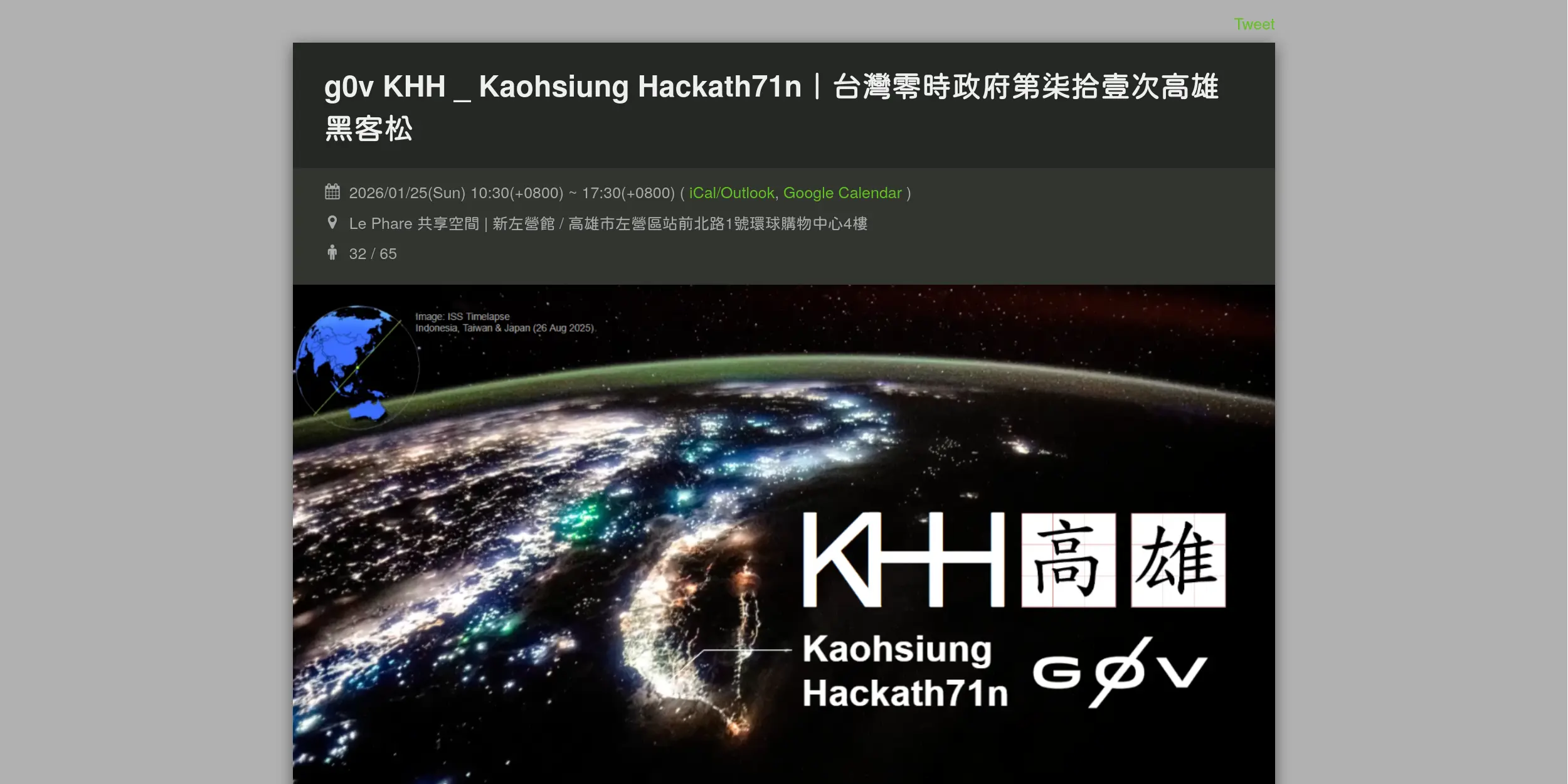
This time, we’re heading south to Kaohsiung (a.k.a. Takao) to participate in the “g0v Hackath71n – g0v the 71st Hackathon.”
If you happen to be in southern Taiwan during this period, or if you’d like to travel south to Kaohsiung together—combining a short trip with a few days of remote work while joining the event—feel free to come find us at the hackathon. We’ve registered a booth to help move forward the progress of the “Anonymous Online Community” 2026 project!
At the moment, it looks like there are still a few spots available. If you’re interested in our project and would like to contribute, you’re very welcome to join us on the day of the event—no matter your background or area of expertise.
As 2025 comes to a close, we sincerely thank all our partners for their participation and support throughout the year. From project-based efforts to community building, we have accumulated many actions and valuable experiences over the past year. Below, we will look back on the key initiatives of 2025, and also share our next steps for promoting anonymous networks in 2026.
In 2025, the international human rights–focused conference RightsCon was held in Taipei. Upon learning that the Tor/Tails and OONI teams would also be visiting Taiwan, we initiated and prepared related workshop events several months in advance. The event attracted over 300 participants and specifically invited partners from news media and civil society organizations to join the discussions.
After the event, we compiled and published a comprehensive retrospective article to document this rare and valuable exchange.
As a result of hosting this event, we also recruited many enthusiastic volunteers. Together with them, we continued subsequent preparations, laying the groundwork for related activities held in August 2025.
In an era where the internet is highly monitored and centrally managed, anonymous communication has become a fundamental requirement for safe exploration, research, and expression. For Taiwan, this issue is especially tangible. Situated at a critical position in East Asia, internet freedom and communication resilience are core societal capabilities that get tested by real-world conditions.
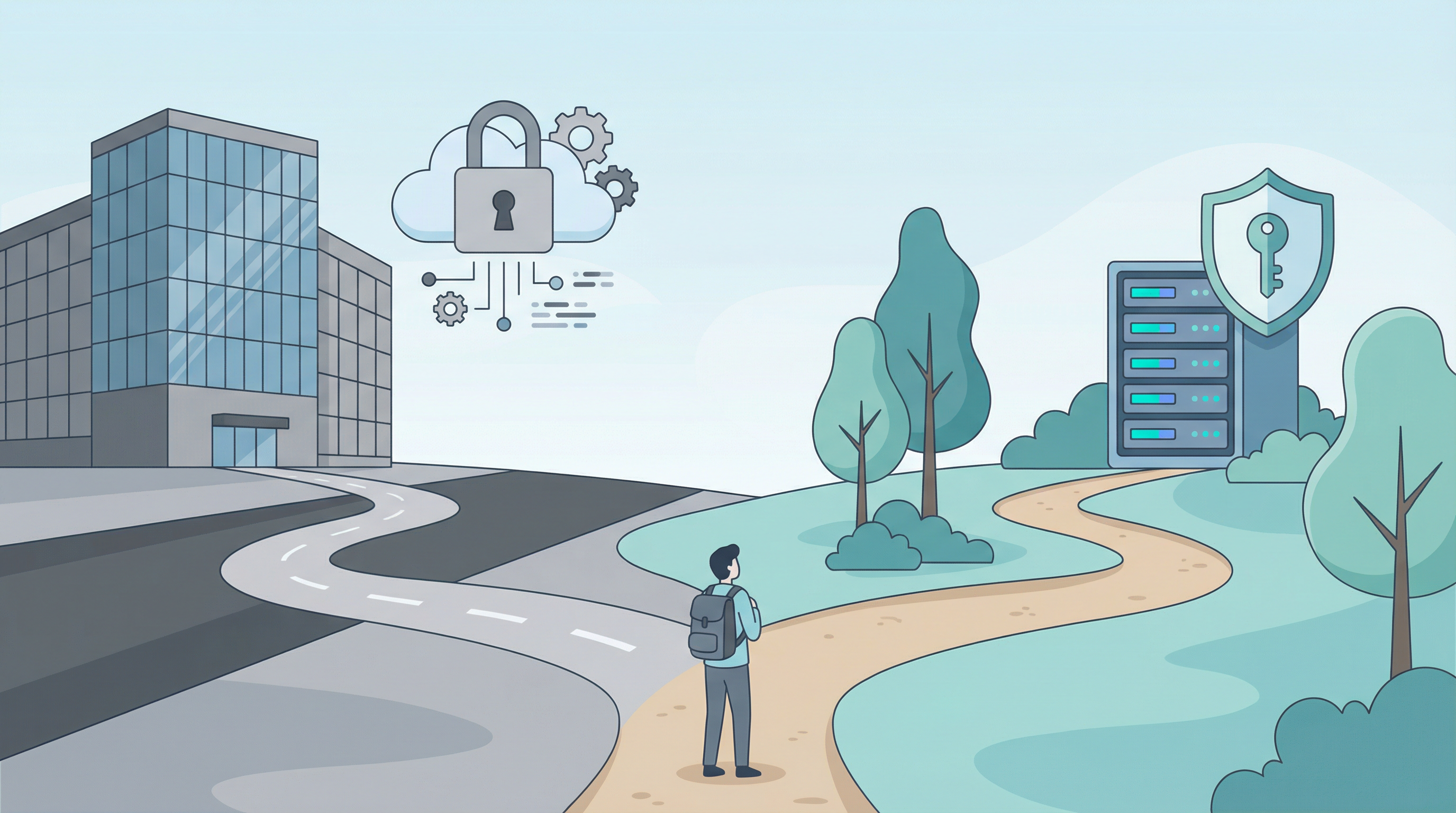
Universities and academic networks have historically been the earliest places where new technologies and public infrastructure are experimented with. The following interview documents how a computer science student at National Taiwan Normal University, also a member of the anonymous network community, stepped into institutional reality on campus, communicated with the university, and attempted to actually set up a Tor Relay.
Within the anonymous network community, we often talk about technology and ideals. But the truly difficult question is often whether “this machine can survive in the real world.” Configuring the Tor Relay itself is comparatively straightforward.
This time, we interviewed a partner from the anonymous network community, NZ, who is currently studying in the Department of Computer Science at National Taiwan Normal University. He successfully set up a Tor Relay on campus, choosing to engage openly with the university system and complete the full administrative process, without going behind anyone's back.
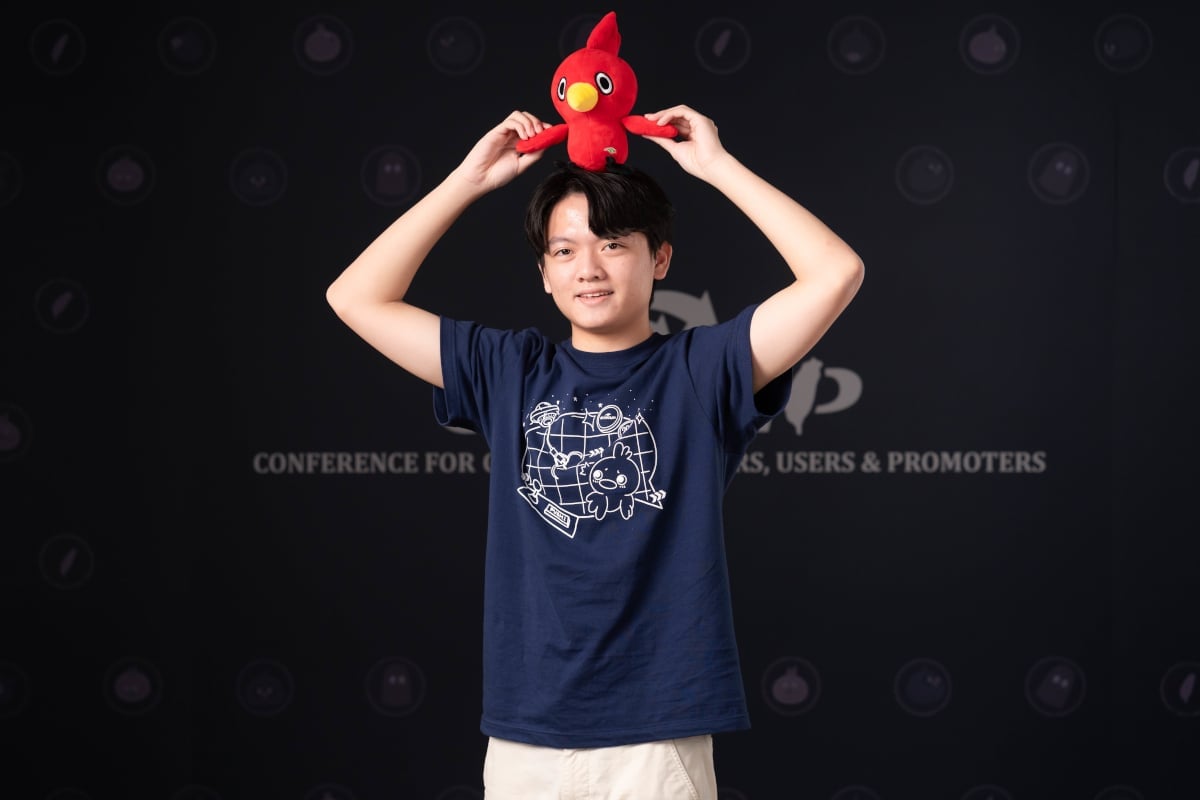
蘇恩立 (Su En-Li, NZ) is currently a third-year undergraduate student in the Department of Computer Science and Information Engineering at National Taiwan Normal University. With a strong interest in information security and network governance, he is currently responsible for operating and maintaining the first Tor node on Taiwan Academic Network (TANet). In addition to hands-on technical practice, he is also dedicated to knowledge sharing, serving as an anonymous network course instructor in the GDGoC NTNU student club. He has long been involved in Taiwan’s open source and information security communities, and has volunteered multiple times at major technical conferences such as SITCON, HITCON, and COSCUP, demonstrating both community service experience and strong technical passion.
Image credited to Taipei Coffee and Circumvention Meetup 2025/10 https://ocftw.kktix.cc/events/internetfreedom-oct2025
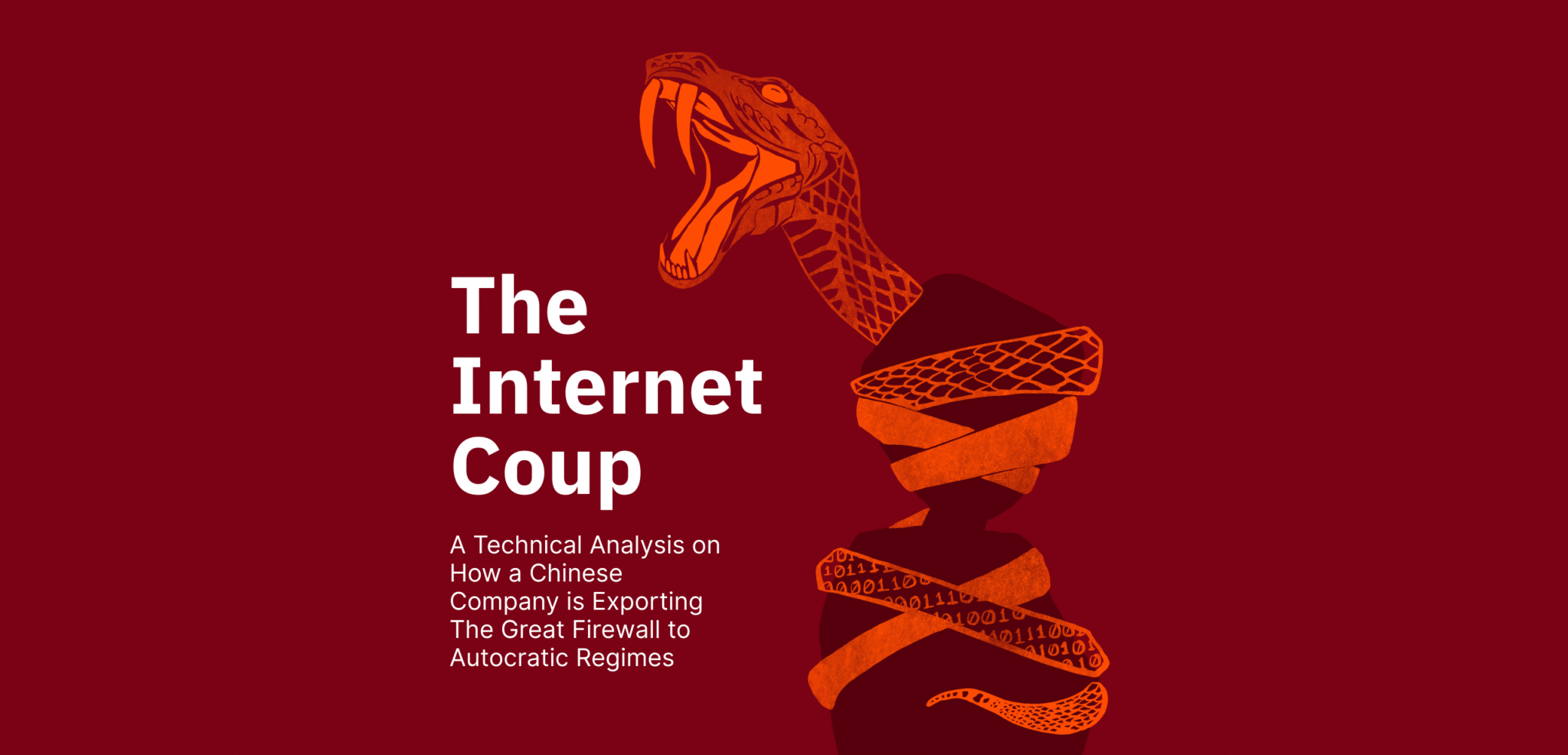
After presenting InterSecLab's report on data leakage related to the Great Firewall of China at the "Taipei Coffee and Circumvention Meetup 2025/10," there were many discussions during the latter part of the event. The questions centered around what actions we can ultimately take in the face of state-level surveillance methods and capabilities.
The previously provided cybersecurity recommendations also need to be revisited and revised. Below, we will review some of the topics discussed that day through text. We also recommend taking some time to read this report, as it will provide a clearer outline of the risks and challenges we are facing.
In mid-September, you may have noticed something significant: approximately 500GB of data was made public. This data pertains to China's Great Firewall (GFW) technology and how this system is exported and implemented in other authoritarian regimes.
InterSecLab, a digital security-focused laboratory, became aware of this leaked data around December 2024 and promptly took action. Over the course of 10 months, they collaborated with several organizations and tech communities to verify and analyze the leaked data. The findings were published in a report released on September 12, 2025.
Although we (Anonymous Network Community) did not assist in the initial stages, after the report was released, we quickly reviewed its content. The report confirmed many of the long-suspected capabilities of the Great Firewall. Furthermore, the report provided a clearer picture of the teams and organizations operating behind the scenes. Their development environment is similar to that of modern startup teams, with operations and maintenance for international deployments being remotely executable. In other words, the Chinese Communist Party government and other client countries can activate customized or general rules with a single click!
The workshop held from 8/9 to 8/10 was successfully completed. We are currently preparing for post-workshop discussions and reviews, and considering future directions for improvement. Whether or not you participated in the two-day event, we sincerely thank you for your continued attention to our activities.
Up next, we would like to share some updates with you for the period in August 2025.
After the workshop event, we also participated in the conferences of HITCON and PyConTW. Although we did not apply for a booth, we created a brochure about 'Anonymous Networks.' This brochure includes an introduction to our community and explanations about Tor/Tails, OONI, internet freedom, and anonymous network topics. It also details which open-source software our community currently uses to build services. This brochure was available for attendees to pick up at the conference venue.
In the future, this brochure will only be available at in-person events, with a limited number printed each time. We will continually update it with new information. During the workshop, we provided each participant with a copy. Based on observations from this event, we found it helpful for participants to understand the community's message about 'anonymous networks and internet freedom.' For future conferences or community events of a similar nature, we will actively apply for a booth to continue promoting our message.
June 2025 has passed, and this month we continued our preparations for the workshop event scheduled for August. We've also conducted online training sessions focusing on the basics of Tor/Tails and OONI. The "Anonymous Network Workshop" event information has been fully updated, with the two-day event agenda and registration form now completed. Registration is now open!
In addition, we have moved the project to the "anoni.net Community" GitHub page. The original OONI-Research project page will automatically redirect to the new domain, serving as a promotional tool for the "anonymous network" alongside Tor/Tails.
Although the internet in Taiwan is very free!
The primary goal of the anonymity network community is to establish Taiwan as a base. We aim to raise public awareness about "Why are anonymous networks and internet freedom important?" Through promotion and advocacy, we hope to recruit like-minded partners to join our community. As we continue to strengthen our capabilities, we will start providing technical support and assistance tailored to the needs and contexts of news media, independent journalists, and civil society organizations.
The internet in Taiwan is very free; perhaps we can do something to help our neighbors, countries, and regions around us!
Therefore, if you happen to be available on August 9th and 10th, we invite you to join our workshop. This time, we have also arranged several roundtable discussions, providing an opportunity to hear your thoughts and visions about "anonymous networks."
Feel free to share our event information with friends who might be interested in "anonymous networks."
We initially focused solely on observing and analyzing OONI data. Now, we are jointly promoting Tor/Tails anonymous network tools, deciding to use the topic of "anonymous networks" to continue advocating for "internet freedom" in Taiwan.
Thanks to this workshop event, we have been fortunate to gather partners from various backgrounds to join our community. We hope to maintain this diversity in the future, focusing on and providing diverse assistance to the people we serve.
The original OONI-Research website will automatically redirect to /. We plan to host a meeting after the "Anonymous Network Workshop" to discuss our visions for the community's future. If interested, you can continue to follow us or subscribe to our newsletter.